Inspect & prepare
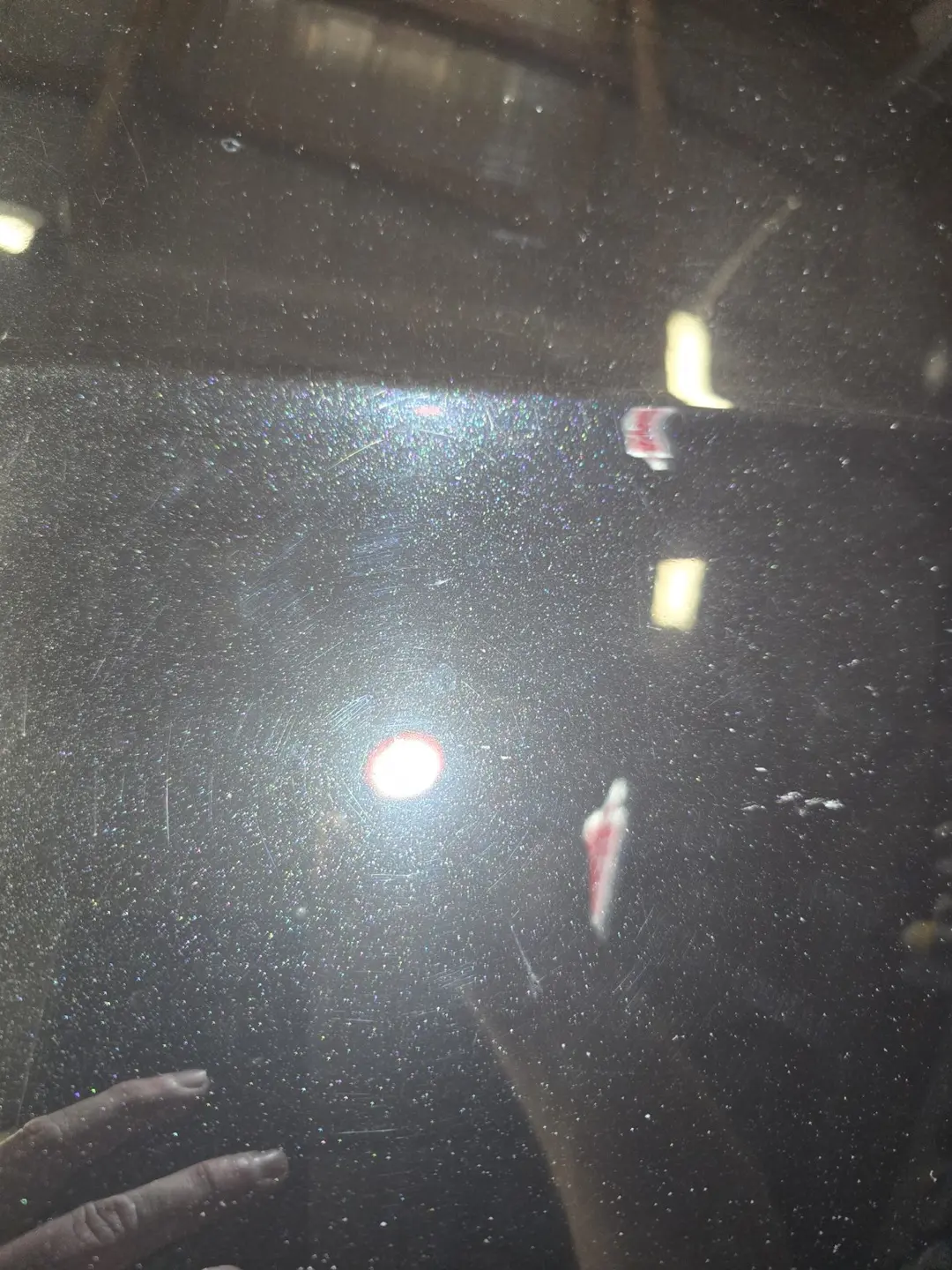
Concentrated lighting revealed dense wash marring, haze, and fine scratches across the exterior. The full project also included an interior detail; this case study focuses on the documented paint transformation.
 Get a quote
Documented result · Volvo XC90
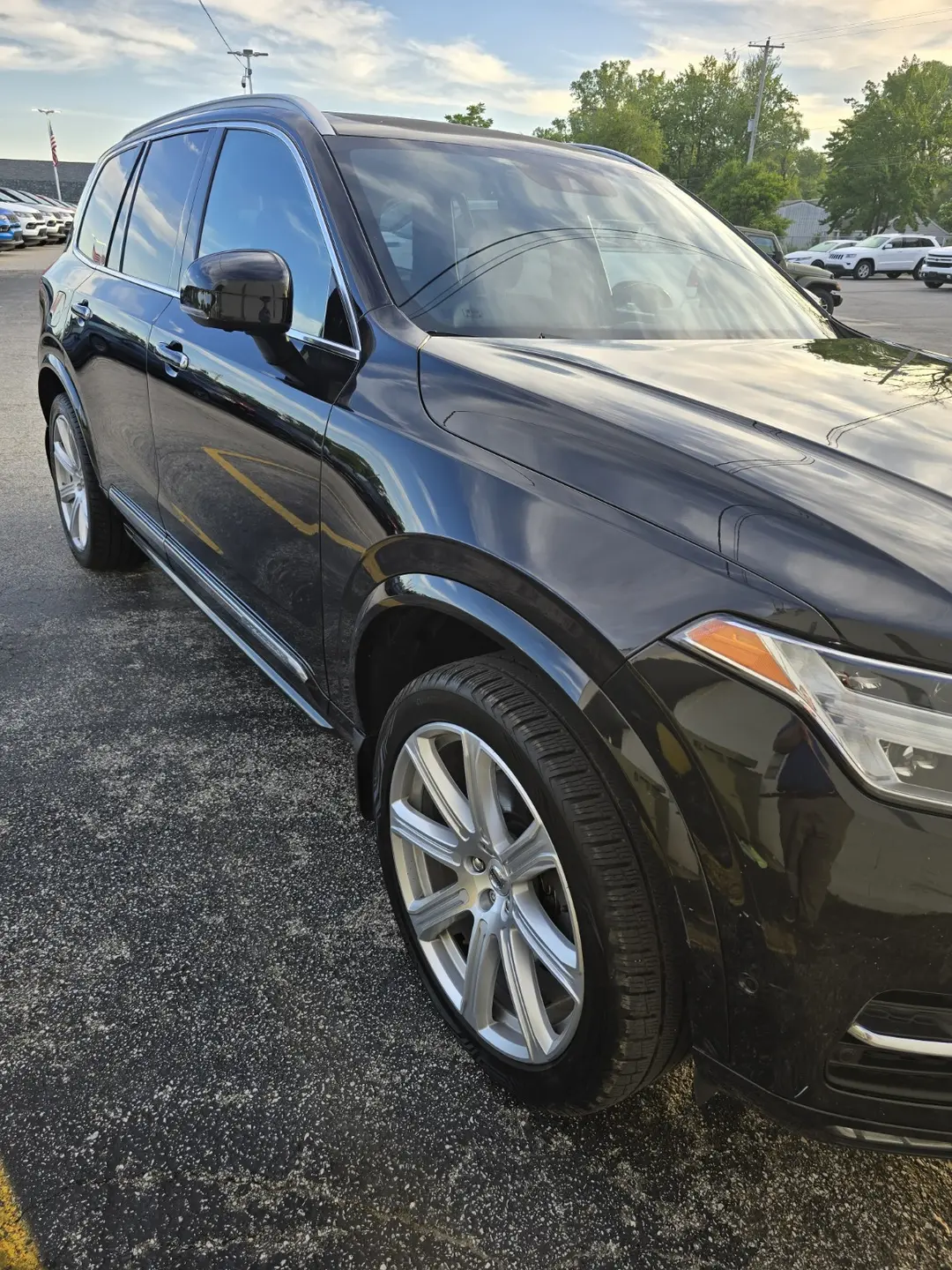
Dense marring had softened the XC90’s metallic finish under direct light. Roughly 25 total project hours—including the interior detail—delivered a two-stage exterior correction and a refined base for System X MAX G+.
The assignment
Direct inspection light exposed widespread circular marring, fine scratching, and a gray cast that muted the metallic paint. Installing a coating over that condition would have preserved the protection, but it would not have removed the visual interruption beneath it.
The answer was a measured two-stage correction: enough cutting ability to make a meaningful change, followed by dedicated refinement before the ceramic coating was applied.
The project sequence
The exterior work separated defect removal from final refinement. That distinction matters: a cutting stage can pursue meaningful correction, while the dedicated polishing stage restores the optical clarity a premium coating deserves.
Ceramic protection amplifies good preparation. It does not replace it.
Concentrated lighting revealed dense wash marring, haze, and fine scratches across the exterior. The full project also included an interior detail; this case study focuses on the documented paint transformation.
A forced-rotation machine paired with microfiber and RUPES compound supplied the controlled cutting action needed to reduce the more established defects.
A second forced-rotation stage with foam and RUPES polish refined the compounded finish, clearing residual haze and sharpening reflection without chasing defects beyond a responsible limit.
After correction, the paint was prepared for coating and System X MAX G+ was installed over the refined finish. The coating preserved the work beneath it; it was not used to disguise defects left in the paint.
Before & after
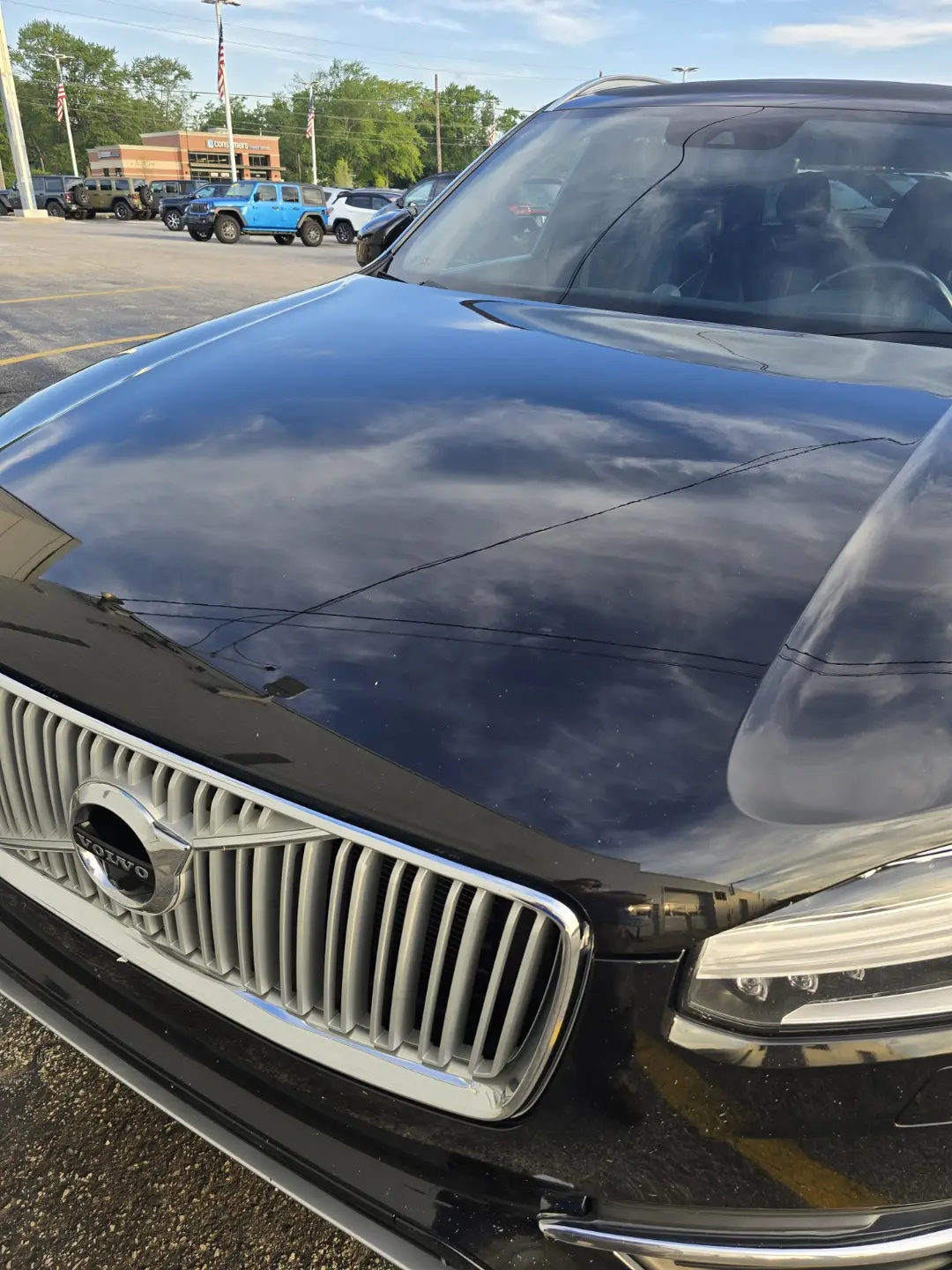
The inspection photographs isolate the defects under concentrated light. The completed views document the entire vehicle after correction and coating, where reflections read with markedly greater continuity.
Upper surfaces · primary evidence
Before correction, dense circular marks scattered the inspection light and dulled the color. After the compound-and-polish sequence, the hood carried a much cleaner visual field for MAX G+.
 Before
 After
AfterEdges & side panels
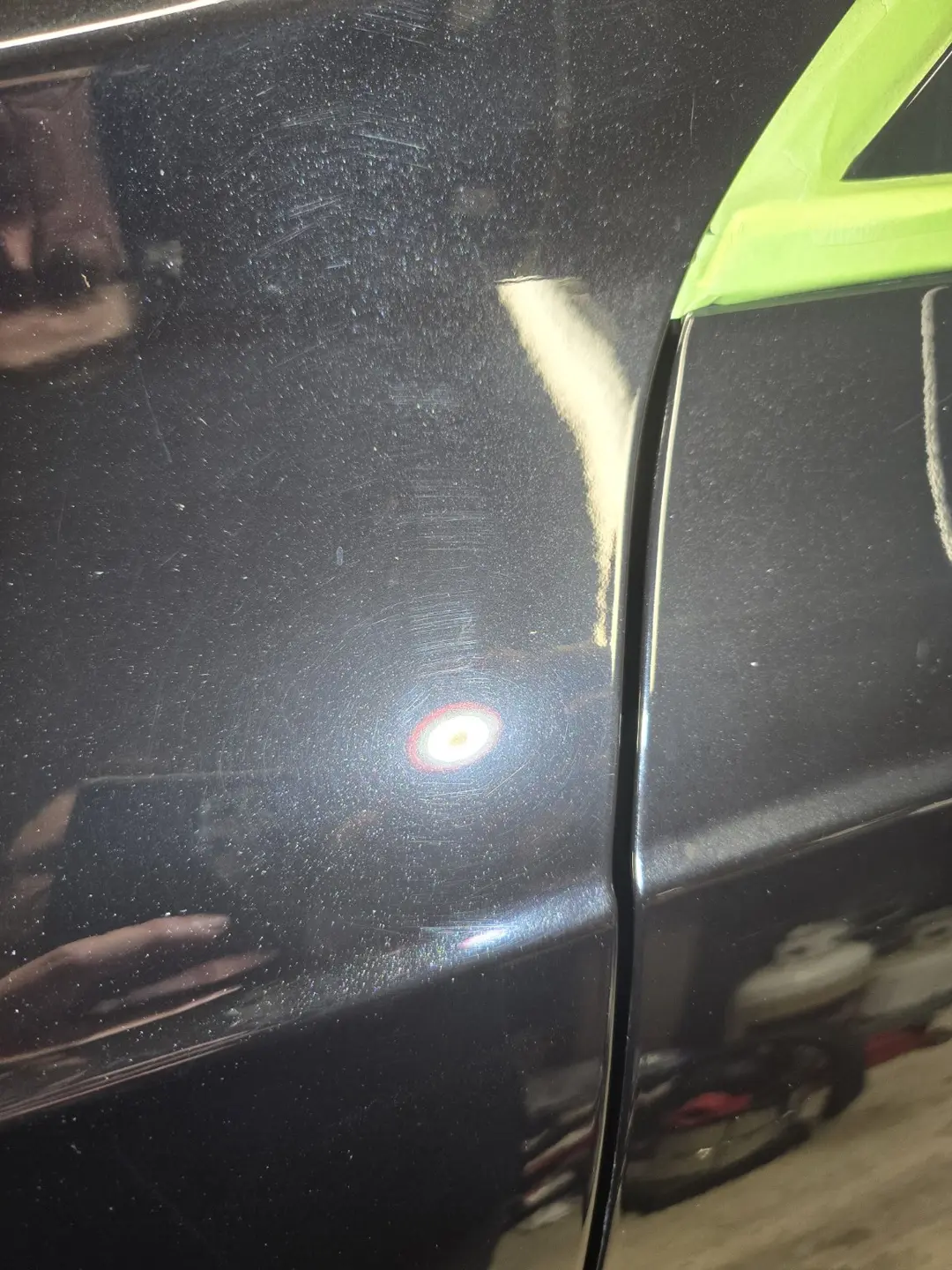 Before
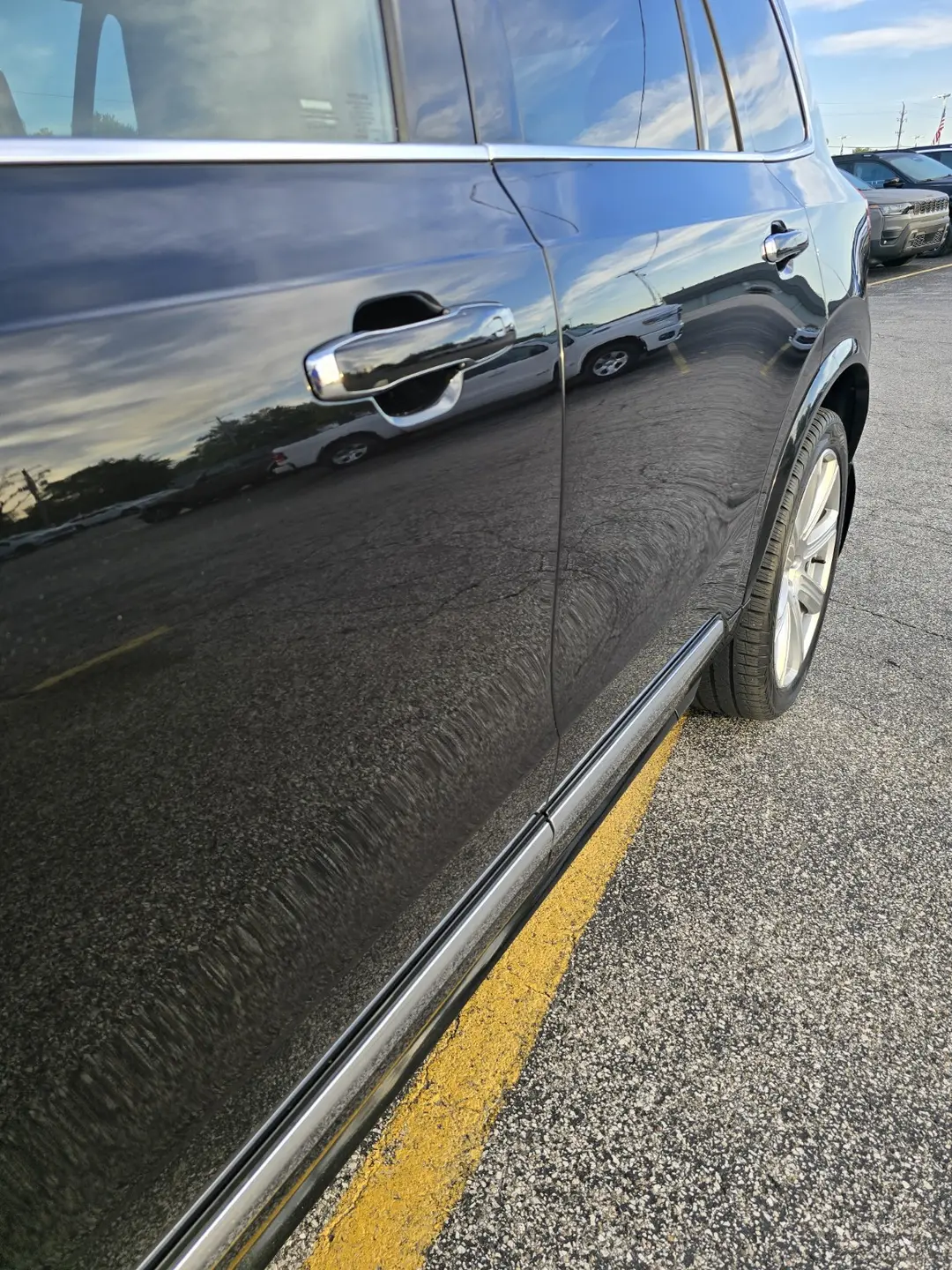 After
AfterDoor finish & completed profile
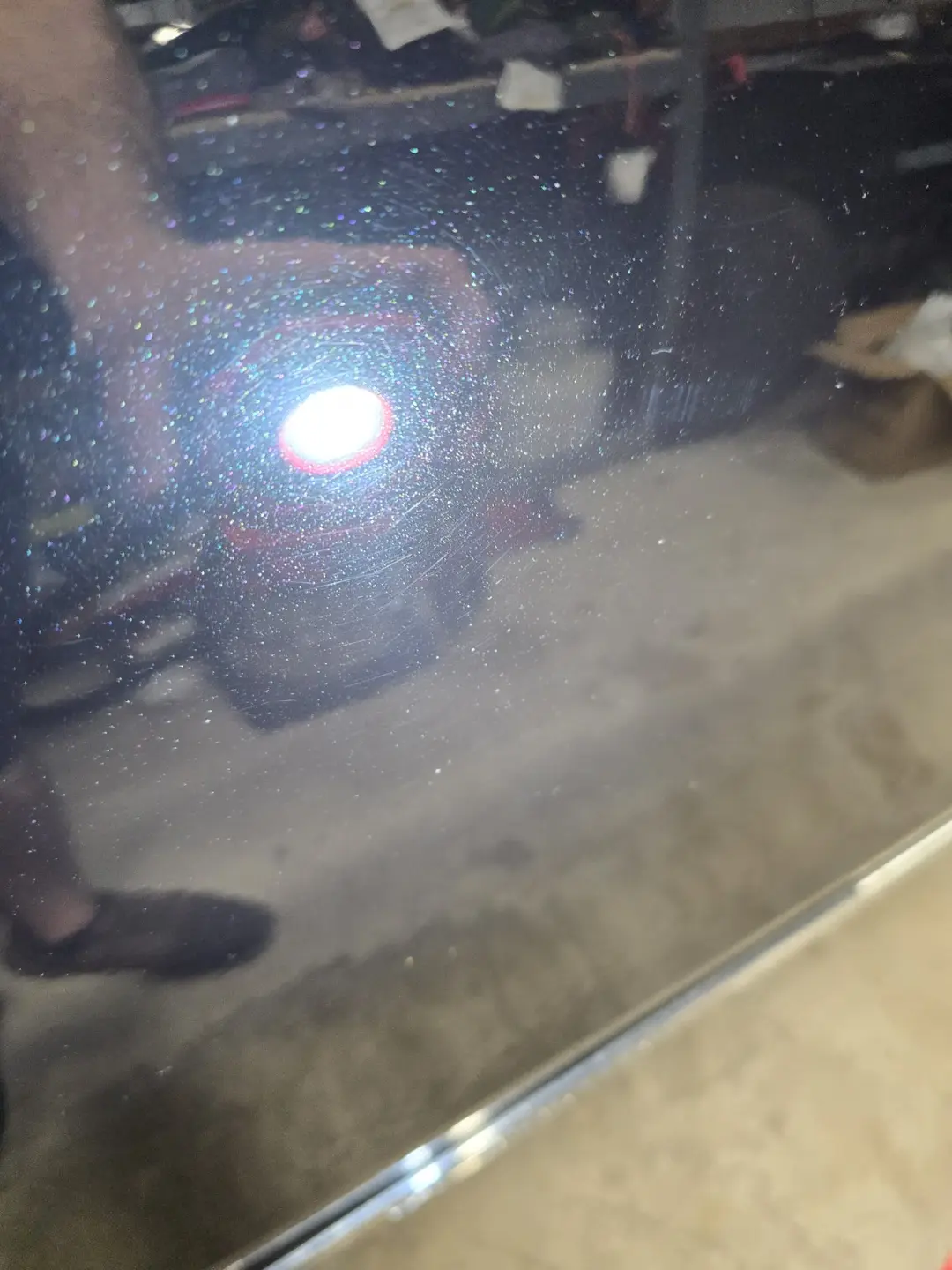 Before
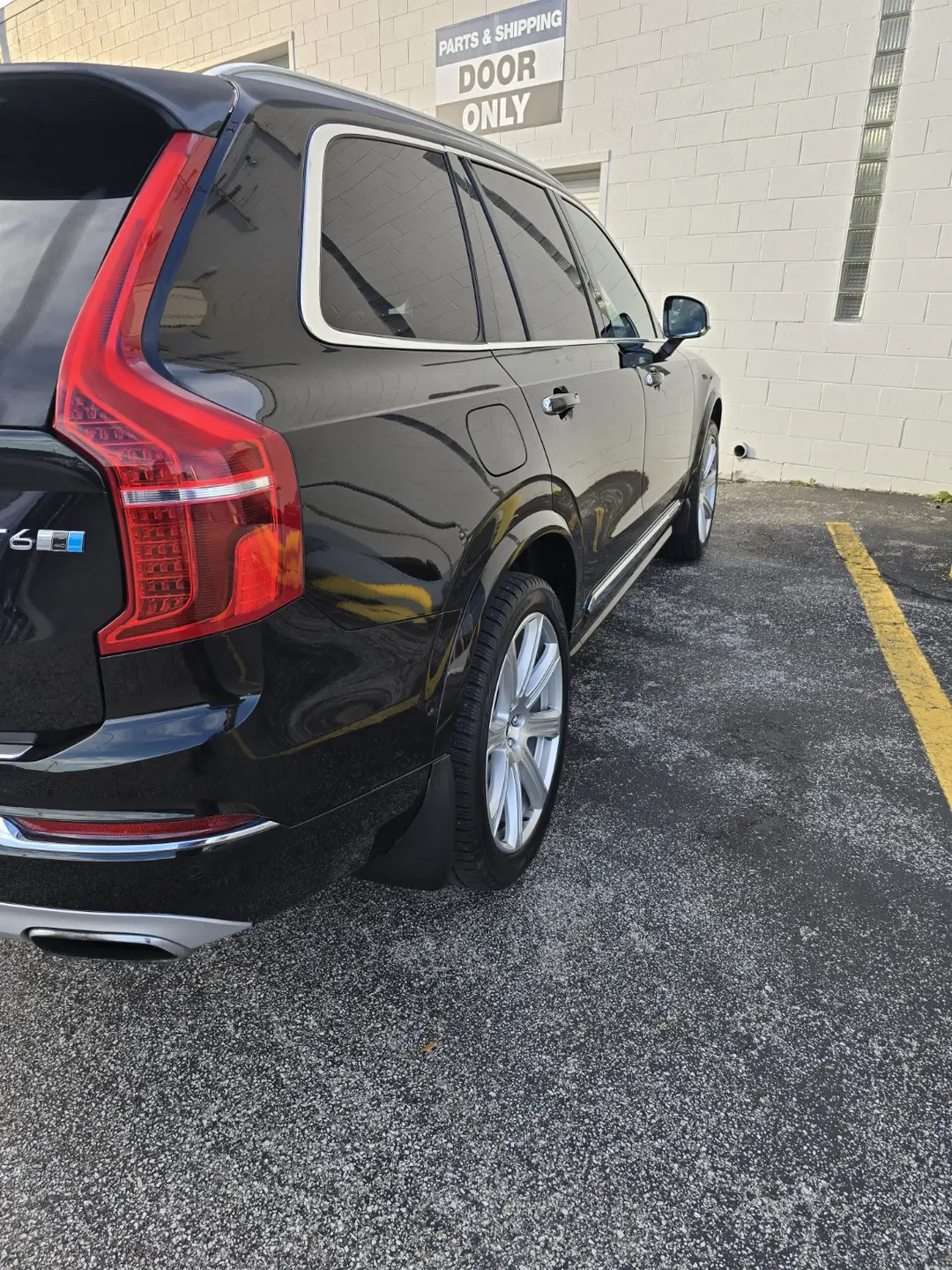 After
AfterA note on the photographs: the before images were captured close-up under concentrated inspection lighting; the completed vehicle was photographed outdoors in ambient light. They document the same project but are not laboratory-controlled, panel-for-panel comparisons. No correction percentage is claimed from photographs alone.
The protection choice
System X MAX G+ was installed only after the two-stage correction and final coating preparation were complete. That order protects the refined finish and supports easier maintenance without pretending ceramic coating can erase defects on its own.
Roughly 25 hours represents the complete project, including the interior detail—not polishing time alone. The exterior photographs shown here record the corrected and coated result; no interior photographs are presented.
Explore every documented result →Muskegon & surrounding West Michigan
Send a few direct-light photos and describe the finish you want. ShineLab will explain whether detailing, enhancement, correction, or ceramic protection is the most sensible place to begin.